


The international coffee standard has been officially set. What does this mean for the coffee industry?
01

09
2026
On March 10, 2026, the United Nations released a draft resolution after its 80th session, deciding to designate October 1st as the International Coffee Day. As early as 2015, 74 member countries and 26 coffee associations of the International Coffee Organization (hereinafter referred to as ICO) jointly signed an agreement, setting October 1st as the International Coffee Day.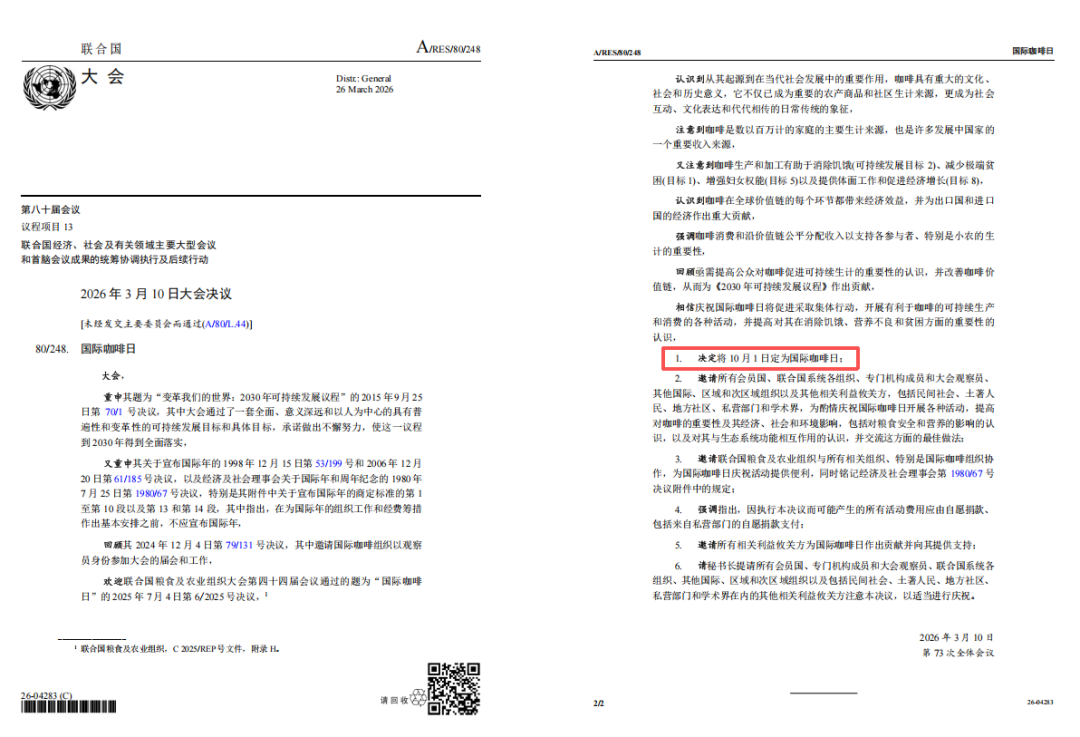
The resolution document of the United Nations General Assembly regarding International Coffee Day
This resolution was adopted by the United Nations General Assembly to officially recognize international coffee, and invited ICO to participate as an observer in the meetings and work of the assembly. The coffee industry plays a crucial role in the United Nations' 2030 Sustainable Development Agenda.
The draft states that coffee is a source of livelihood for millions of families and an important income source for many developing countries. In terms of eradicating hunger, reducing extreme poverty and empowering women, the coffee production and processing industry also plays a crucial role. In some coffee-growing countries, the development of the coffee industry can even curb the spread of drugs.
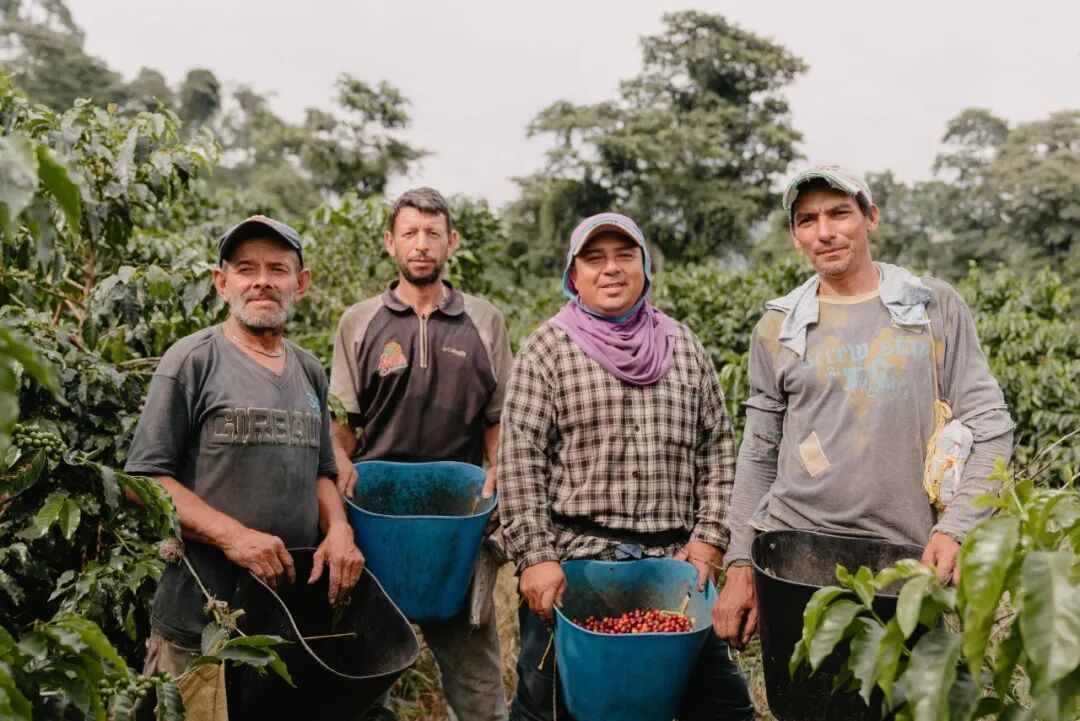
The coffee growers in Colombia are harvesting the fresh coffee fruits.
The establishment of International Coffee Day indeed helps to enhance public awareness of the coffee industry, recognize the significance of coffee in providing sustainable livelihoods for people in poverty-stricken areas, and optimize the coffee value chain. It also ensures a fairer distribution of coffee consumption and income along the value chain, thereby better supporting the livelihoods of participants, including small-scale farmers.
The Food and Agriculture Organization of the United Nations (hereinafter referred to as FAO) has expressed its welcome to this resolution and has been invited to collaborate with ICO to assist in organizing the related celebration activities for International Coffee Day.
For a long time, the FAO has been conducting work in the coffee sector in various ways: organizing on-site training to deal with pests and diseases as well as climate crises, promoting the selection of climate-resilient varieties, collaborating with governments to establish robust traceability systems, and organizing investment matching initiatives such as the "Hand in Hand" program to alleviate farmers' economic difficulties, etc.
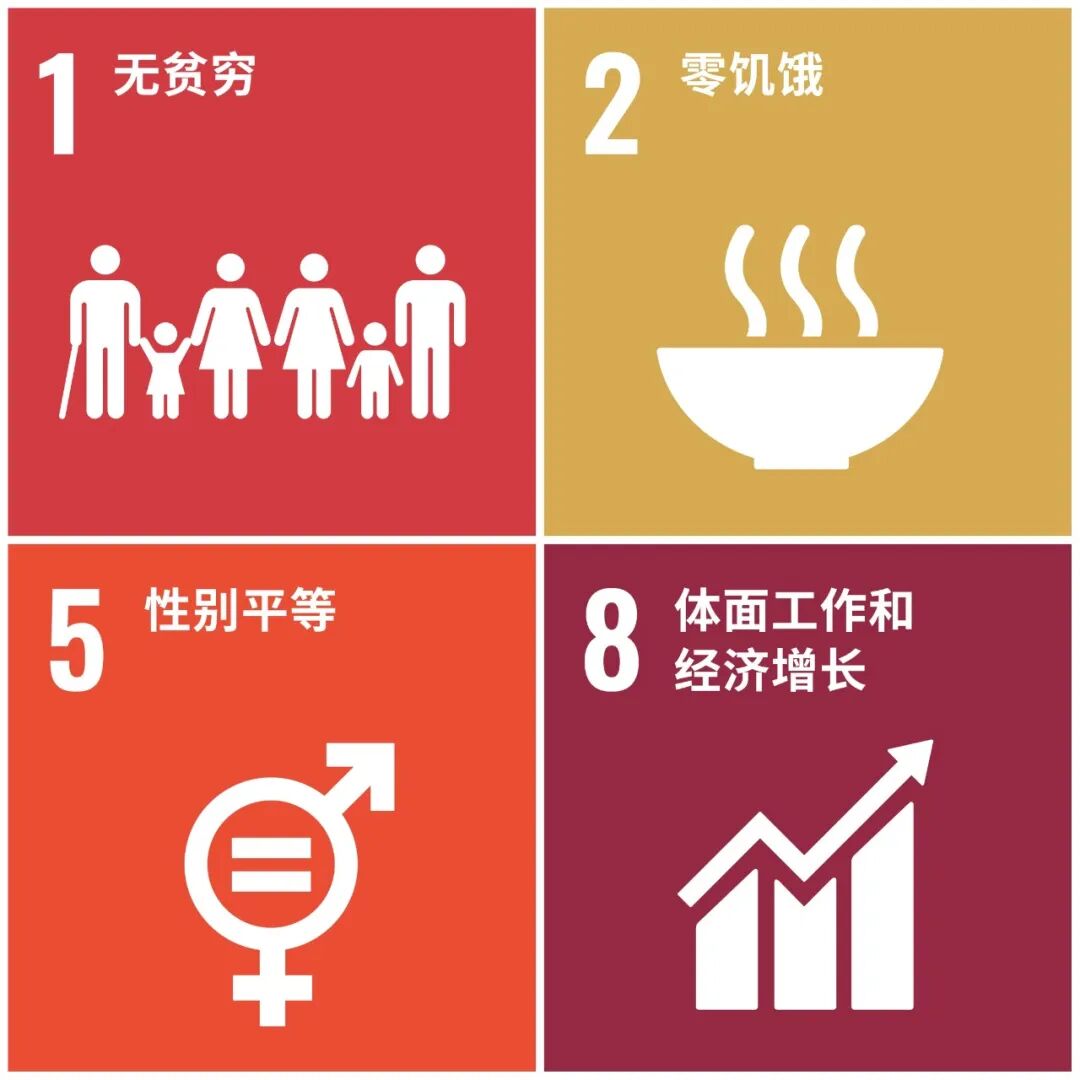
Coffee production and processing are conducive to the achievement of sustainable development goals.
FAO Director-General Qu Dongyu stated: "Coffee is far more than just a beverage. From a single bean to a fragrant cup of coffee, it has evolved into a global commodity, sustaining the livelihoods of millions of smallholder farmers and connecting remote villages with the world market. Establishing 'International Coffee Day' helps raise public awareness of the socio-economic value of the coffee industry and further strengthens its role in poverty eradication and food security. We look forward to celebrating this highly significant international day together with global partners."
Copyright Notice: The content is sourced from online compilations, and the copyright belongs to the original authors. Some articles on this platform are reprinted for non-commercial purposes, shared for discussion and exchange. If there are any objections or infringement concerns, please contact us for removal.