


Kenya Coffee Exports to Hit 55,000t in 2026, China Share Reaches 10.8% on Zero‑Tariff Boost
16

08
2026
2026: Kenya’s Coffee Exports Projected to Rise from 52,000 Tonnes in 2025 to 55,000 Tonnes – A Small Increase with Big Structural Shifts
Behind this seemingly modest increase lies a convergence of structural changes. In the first six months of the 2025/26 coffee year, Kenya’s coffee exports earned KES 2.47 billion (approx. USD 191 million). In Q1 2026, Kenyan coffee exports to the US doubled to USD 40.8 million. Meanwhile, China is emerging as one of the fastest‑growing markets for Kenyan coffee.
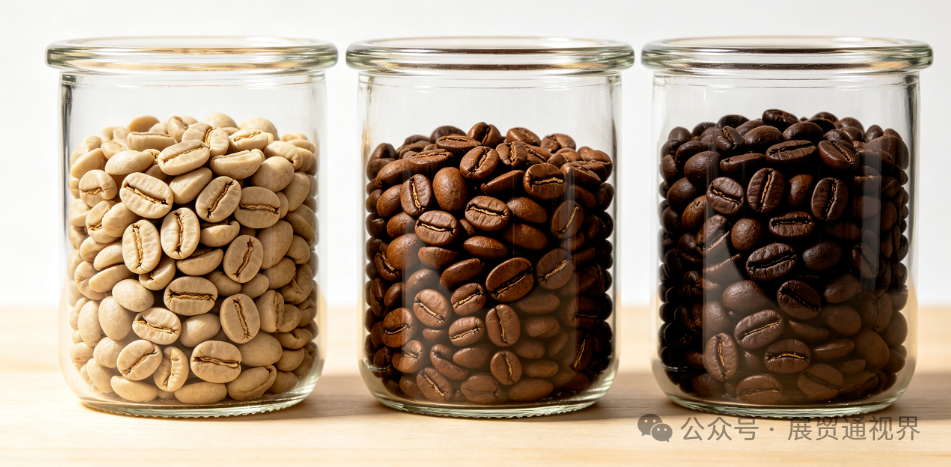
01 Exports to China: USD 24.46 million, 10.8% share, 8.8% growth
In 2025, Kenya’s combined coffee and tea exports to China reached USD 24.46 million, accounting for 10.8% of Kenya’s total agricultural exports to China and marking an 8.8% year‑on‑year increase. Previously, tariffs on Kenyan coffee and tea entering China ranged from 6% to 15%. Chinese Ambassador to Kenya, Guo Haiyan, noted that agricultural trade between the two countries continues to grow, and Kenya has become an important source of agricultural products for China.
Kenya’s Cabinet Secretary for Agriculture and Livestock Development, Mutahi Kagwe, hailed the zero‑tariff policy as a major turning point in bilateral trade. On 1 May 2026, China fully implemented zero tariffs on 53 African countries with diplomatic ties. The import tariff on Kenyan green coffee beans was cut directly from 8% to zero. The trade agreements reached during Kenyan President Ruto’s previous visit to China have now entered the implementation phase.
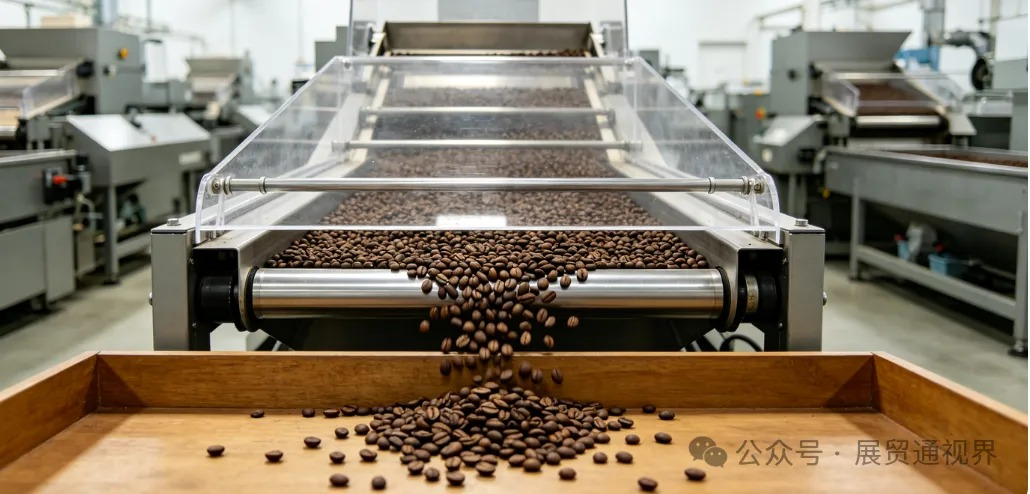
02 The Chinese Market: 40% of coffee beans are specialty grade (scoring 90+)
Kenyan coffee is positioned as high‑end specialty in the Chinese market.
Mbula, founder of Utake Coffee Company, explains that Chinese buyers predominantly purchase specialty green beans scoring 90 points and above, which belong to the premium segment. Exports from her company to China have steadily accounted for 40% of its total volume.
Chinese buyers place great emphasis on traceability, seeking detailed information about the specific origin, farmer details, and even processing methods. Utake has fully deployed standardised cupping labs and batch traceability systems, accurately linking processing methods and origin information to each sample. During a trade promotion event in late March 2026, Mbula said that with the zero‑tariff policy in effect, coffee purchases from Kenya are expected to rise, driving revenue growth and business expansion. The company also plans to explore new channels through cross‑border e‑commerce platforms and direct supply to coffee shops.
03 Global Picture: 2025/26 crop year generates KES 38.3 billion
On a broader scale, Kenya’s coffee industry is on an upward cycle.
In the 2025/26 crop year, Kenya’s total coffee production is estimated at about 51.9 million kg, with a value of approximately KES 31 billion. As of July 2026, direct sales channels generated KES 6.35 billion between October 2025 and June 2026. Kenya is projected to exceed 60 million kg by the end of the 2025/26 crop year.
In March alone, Kenya sold 1.7 million kg of coffee through direct exports, earning KES 1.75 billion. The UK and Switzerland were the largest direct buyers, importing 2.43 million kg (KES 2.66 billion) and 2.35 million kg (KES 2.07 billion), respectively.
The US market also performed strongly. In Q1 2026, Kenya’s coffee export revenue to the US doubled from USD 19.01 million a year earlier to USD 40.8 million, an increase of 101.2%. The US Department of Agriculture forecasts that Kenyan coffee exports will reach 940,000 bags (approximately 56,400 tonnes) in the 2026/27 marketing year, up nearly 12%.
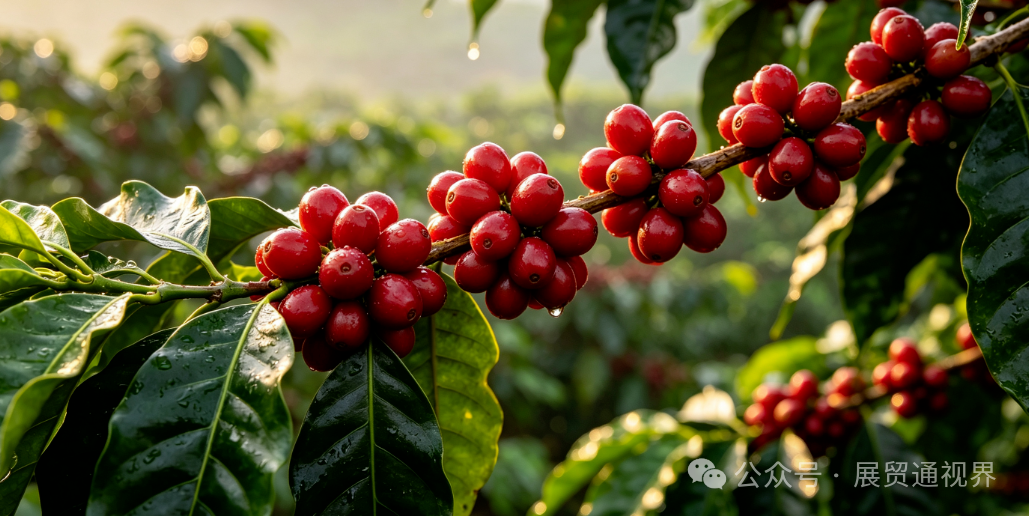
04 Opportunities for Chinese Enterprises
First, zero tariffs are a clear policy window. The tariff reduction from 8% to zero means that every tonne of green coffee beans imported saves hundreds of dollars in tariff costs. A company in Nanjing has already started importing Kenyan green coffee beans through Kunshan Port and expects to save about RMB 600,000 in tariffs for the full year.
Second, specialisation is the core logic of the Chinese market. 90+ scores, traceability, and origin stories – the Chinese market does not want cheap coffee; it wants a selection of specialty coffees with compelling origin narratives. Enterprises that can build quality control and traceability systems at origin will capture sustained premium pricing.
Third, value‑added processing is the next growth frontier. Agriculture Minister Kagwe has explicitly urged exporters to shift towards high‑value‑added agricultural products. Utake has already introduced Chinese roasting equipment and is expanding from green‑bean exports to roasted‑bean exports. For Chinese companies, partnering with Kenyan firms to build local roasting and processing capacity is a more long‑term strategic move than simply importing green beans.
05 Conclusion
As Kenyan coffee exports to China grow at 8.8% year on year, as zero tariffs eliminate the 8% tariff barrier, and as 90+ specialty beans account for 40% of Chinese procurement lists – the story of Kenyan coffee in China is moving from niche to mainstream.
USD 24.46 million – total coffee and tea exports to China in 2025.
55,000 tonnes – Kenya’s export target for 2026.
KES 38.3 billion – revenue for the 2025/26 crop year.
90+ points – the benchmark for China’s specialty coffee market.
As African coffee beans enter China at lower costs and higher quality, the opportunity for China’s coffee industry goes beyond importing – it is evolving towards co‑building the value chain.
Disclaimer: The copyright of this article belongs to the original author. Some articles on this platform are republished for sharing and discussion only; if there are any disputes or infringements, please contact us for removal.